Resources
Maintenance tips & common issues for Japanese vehicles
Explore quick guides to help you understand warning signs, plan routine service, and keep your Toyota, Honda, Nissan, Subaru, Mazda, or Lexus running reliably. When you need a pro, our ASE-certified team is here.

Start here
Find the right resource fast
Use these guides to make confident decisions—what’s normal, what’s urgent, and when to book diagnostics.


Quick reference
What to watch for (and what to do next)
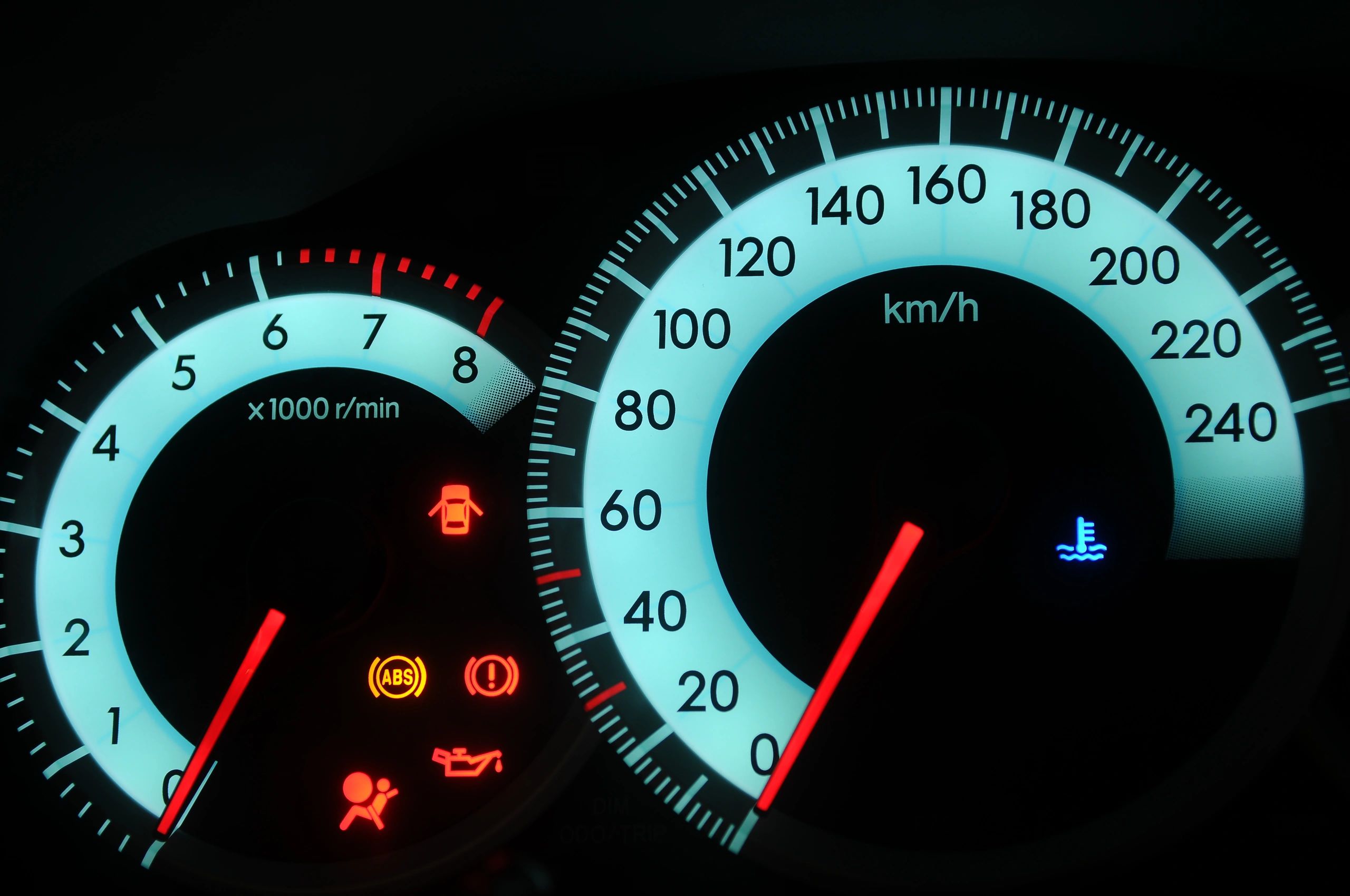
These are general guidelines—not a substitute for an in-person inspection. If a warning light is flashing, you smell fuel, or you notice a sudden change in braking/steering, stop driving and contact us.
Check Engine Light (solid vs. flashing)
A solid light often means an emissions or sensor-related fault—schedule diagnostics soon. A flashing light can indicate an active misfire that may damage the catalytic converter—reduce load and book service immediately.
Overheating or coolant loss
If the temperature gauge climbs or you see coolant under the car, pull over safely and shut the engine off. Driving while overheating can cause severe engine damage. We’ll pressure-test the system and inspect hoses, radiator, water pump, and thermostat.
Brake noise, vibration, or a soft pedal
Squealing can be pad wear indicators; grinding may mean metal-on-metal contact. Vibration under braking can point to rotor issues. A soft pedal can indicate fluid leaks or air in the system—book a brake inspection promptly.
Transmission hesitation or shudder
Delayed engagement, shuddering, or harsh shifts can be related to fluid condition, adaptation issues, or internal wear. We’ll verify fluid level/condition and scan for codes before recommending service.
OEM parts & factory-approved tools matter
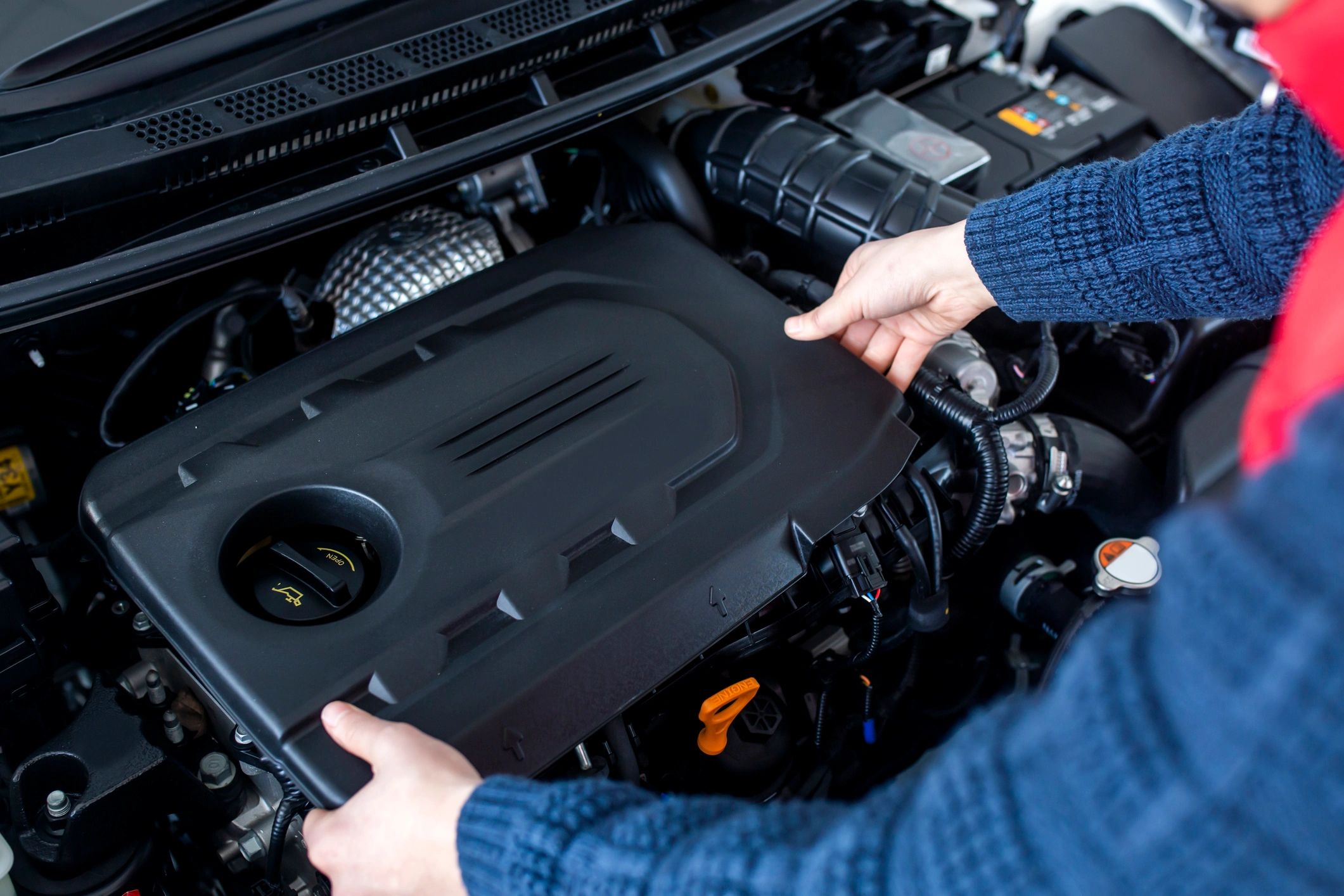
Japanese vehicles are engineered with tight tolerances. Using the correct fluids, parts, and procedures helps prevent repeat repairs and protects long-term reliability.
At Nippon Auto Specialists, we use modern diagnostic equipment and genuine OEM parts whenever possible—paired with transparent recommendations so you can choose what’s best for your car.